 Mr Mughlai London
7 hours ago in Food & Beverage
High Authority Social Bookmarking Site for Canadian SEO in 2026 - A2Bookmarks Canada
A2Bookmarks Canada is the premier Canadian social bookmarking site designed to help you save, organize and share favorite web pages. Our social bookmarking platform for Canada makes it easy to manage important links while connecting with other users across top Canadian social bookmarking sites. As one of the leading social bookmarking sites in Canada for 2026, we offer tools to strengthen your digital presence and grow your business online. Elevate your Canadian SEO strategy by bookmarking content for local audiences, increasing relevance across social bookmarking platforms in Canada. Optimize your search rankings with targeted backlinks and community engagement on Canada's fastest-growing bookmarking network. Share, categorize, and promote links to build authority and drive quality traffic. Join our Canadian social bookmarking community today to make your online experience more efficient and connected.
Best Indian Food Central London: How Tempering and Roasting Indian Ingredients mrmughlailondon.com
Mr Mughlai London
7 hours ago in Food & Beverage
Indian cuisine is recognised for its remarkable use of spices, aromatic ingredients and traditional cooking techniques. Behind its distinctive flavours lies a careful process of transforming ordinary ingredients into something memorable. In London’s diverse food culture, understanding these methods offers an interesting perspective on what makes Indian cooking so distinctive. The search for Best Indian Food Central London is not simply about choosing a place to eat; it is also about appreciating the preparation methods, culinary knowledge and attention to detail that shape authentic Indian flavours.
Among the most influential techniques are toasting, tempering and roasting. Each method brings out different characteristics in ingredients, helping develop aroma, texture, colour and depth. Although they may appear straightforward, their results depend on timing, temperature and the cook’s understanding of how ingredients respond to heat.
Understanding the Importance of Traditional Indian Cooking Techniques
Indian cooking traditions have developed through generations of culinary knowledge. Different regions have their own approaches to preparing spices, grains and aromatic ingredients. However, toasting, tempering and roasting remain important techniques across many Indian culinary traditions.
These methods are not interchangeable. Each serves a particular purpose:
- Toasting helps release the natural aroma of spices and seeds.
- Tempering introduces flavour into cooking through heated fat and carefully selected aromatics.
- Roasting develops deeper flavours through controlled exposure to dry heat.
Understanding these differences helps explain why the same ingredient can produce different results depending on how it is prepared.
How Toasting Enhances the Natural Aroma of Spices
Toasting is one of the simplest yet most effective techniques in Indian cooking. It generally involves heating dry ingredients in a pan for a controlled period. This process helps release aromatic compounds and can create a warmer, more pronounced flavour.
Whole spices are particularly suitable for dry toasting. Gentle heat can transform their aroma, making them more expressive when incorporated into a preparation.
However, temperature control is essential. Excessive heat can burn delicate spices, creating bitterness instead of the desired fragrance.
Why Proper Toasting Matters
Several factors influence the outcome of this process:
- Heat management: Moderate heat allows ingredients to warm gradually.
- Timing: Different spices require different heating periods.
- Movement: Regular stirring helps distribute heat evenly.
- Cooling: Toasted ingredients should be allowed to cool appropriately before grinding or further preparation.
- Storage: Ground spices should be stored in suitable airtight containers to help preserve their aroma.
In a professional kitchen, these details contribute to consistency. Carefully toasted spices can provide a more noticeable aromatic foundation without requiring excessive seasoning.
Tempering: The Technique That Builds Layers of Flavour
Tempering, commonly known as tadka or baghaar in different culinary traditions, is another defining technique in Indian cooking. It involves heating fat and introducing selected spices and aromatics to release their flavours before combining them with a preparation.
The technique is widely used because heat helps distribute aromatic compounds through the cooking medium. The resulting mixture can then contribute fragrance and flavour throughout the dish.
The sequence of adding ingredients matters. Whole spices, seeds and other aromatics do not necessarily respond to heat at the same speed. Understanding their individual characteristics allows cooks to develop a balanced result.
The Main Elements of Effective Tempering
- Choosing the Right Cooking Medium
The cooking medium influences how heat transfers to the ingredients and contributes to the final flavour. Its suitability depends on the recipe and the characteristics of the ingredients being prepared.
- Controlling the Temperature
The cooking medium needs to reach an appropriate temperature before ingredients are introduced. Too little heat may prevent proper flavour development, while excessive heat can damage delicate aromatics.
- Understanding Ingredient Timing
Some ingredients release their aroma quickly, whereas others require more time. Adding everything simultaneously may produce an uneven result.
- Maintaining Balance
Tempering should complement the overall preparation rather than overpower it. The objective is to create harmony between the different flavours.
For Indian cuisine, this technique demonstrates how a relatively small preparation step can influence the character of an entire meal.
Roasting and Its Role in Developing Richer Flavours
Roasting is another important method that changes the flavour and texture of ingredients. It involves exposing food to dry heat, allowing browning and other chemical reactions to develop distinctive characteristics.
One important process associated with browning is the Maillard reaction. It occurs when certain amino acids and reducing sugars react under suitable heating conditions, producing a range of flavour and aroma compounds.
This reaction helps explain why roasted ingredients can have deeper, more complex flavours than their unheated counterparts.
Roasting also affects texture. Depending on the ingredient and method, it can create a crisp exterior, a softer interior or a more concentrated flavour.
Important Considerations During Roasting
- Choose a suitable temperature for the ingredient.
- Distribute ingredients evenly to encourage consistent heating.
- Avoid overcrowding when it interferes with heat circulation.
- Monitor colour and texture throughout the process.
- Allow appropriate resting or cooling time where necessary.
In Indian culinary preparation, roasting can contribute to the development of distinctive aromas and textures while helping preserve the intended character of a recipe.
How These Three Techniques Work Together
Toasting, tempering and roasting have individual purposes, but their greatest culinary value can be seen when they are used thoughtfully within a wider preparation process.
Toasting can establish an aromatic foundation. Tempering can distribute selected flavours through a cooking medium. Roasting can introduce depth through browning and texture development.
Their combination requires an understanding of how ingredients interact.
For example, a cook preparing an aromatic spice blend may begin by gently toasting selected spices. After cooling, the ingredients can be ground or incorporated into a preparation. A separate tempering process may then introduce additional fragrance, while roasting can contribute further complexity where appropriate.
The result depends on balance rather than the number of techniques used. Applying every method without considering the recipe can create unnecessary intensity.
What Food Safety Statistics Tell Us About Professional Preparation
Flavour development is important, but professional food preparation must also prioritise hygiene, temperature control and safe handling.
The Food Standards Agency’s Food and You 2: Wave 11 research provides useful insight into food safety awareness in the UK.
According to its findings:
- 76% of respondents reported that they always cook food until it is steaming hot and cooked all the way through.
- 92% reported that they would never eat chicken or turkey when it is pink or has pink juices.
- 83% reported that they would reheat food only once.
These findings highlight the importance of appropriate cooking practices and responsible food handling. They relate to reported consumer behaviour rather than the effectiveness of particular Indian cooking techniques.
For professional kitchens in London, maintaining suitable cooking temperatures, preventing cross-contamination and following established hygiene procedures are essential parts of delivering a reliable dining experience.
Why Cooking Techniques Matter When Choosing Indian Food in Central London
Central London attracts residents, professionals, visitors and people from different cultural backgrounds. Its dining environment reflects a wide range of culinary preferences, making food quality and preparation important considerations when choosing where to eat.
People searching for Best Indian Food Central London may consider convenience, flavour, freshness and consistency. However, understanding traditional cooking methods adds another dimension to that decision.
A thoughtful approach to Indian food preparation involves:
- Respecting traditional culinary techniques.
- Understanding the behaviour of spices under heat.
- Maintaining consistency across preparation processes.
- Paying attention to aroma, flavour and texture.
- Following appropriate hygiene and food safety standards.
- Balancing traditional influences with modern dining expectations.
These principles help explain why good Indian cooking involves much more than combining ingredients. It requires knowledge, timing and attention throughout the preparation process.
Bringing Traditional Indian Flavours to Modern London Dining
Indian cuisine continues to have an important place in London’s multicultural food landscape. Traditional cooking knowledge provides a foundation for modern dining experiences, allowing established culinary practices to remain relevant in a changing city.
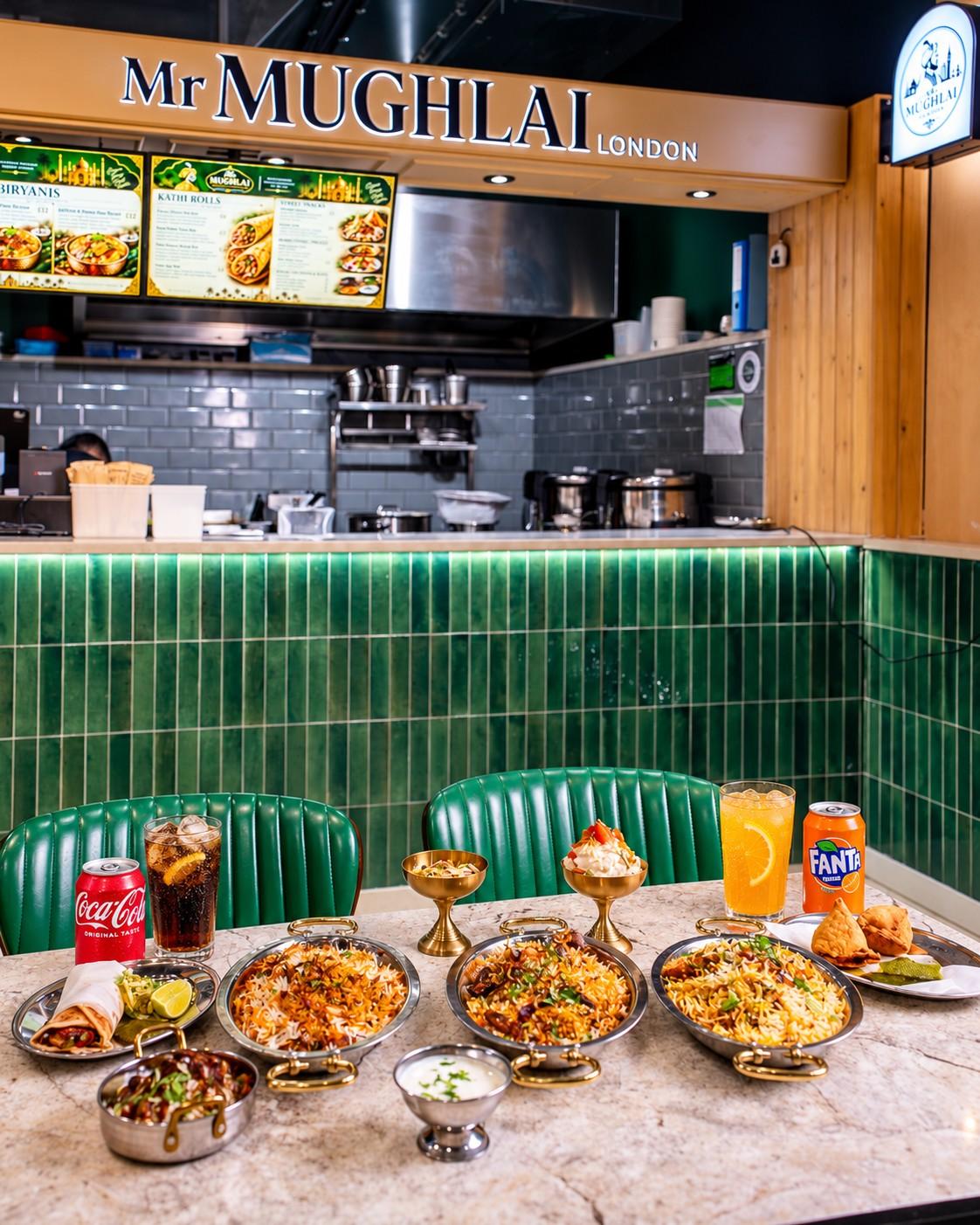
Mr Mughlai London brings Mughlai culinary influences to the Edgware Road area of Tyburnia. Its food philosophy draws inspiration from traditional Indian flavours while reflecting the pace and character of contemporary London.
The broader Mughlai culinary heritage is particularly associated with aromatic spices, carefully developed flavours and cooking methods that value preparation time and ingredient balance.
For diners exploring Indian cuisine in Central London, understanding these techniques can make the experience more meaningful. Recognising the difference between toasted spices, carefully developed tempering and the depth created through roasting offers a better appreciation of the work behind traditional Indian cooking.
Conclusion
Toasting, tempering and roasting demonstrate how cooking techniques can transform ingredients and influence the final character of Indian cuisine. Each method contributes something different, from releasing aromatic compounds to creating deeper flavours and distinctive textures.
The search for Best Indian Food Central London can therefore extend beyond location and convenience. It can also involve appreciating traditional culinary knowledge, careful preparation, ingredient quality and consistency.
As London’s food culture continues to evolve, these established techniques remain valuable connections between Indian culinary heritage and modern dining expectations. Their thoughtful application helps preserve the character of Indian cuisine while making traditional flavours accessible to contemporary diners.
Discover Mr Mughlai London
For those interested in exploring Mughlai-inspired Indian flavours in London, Mr Mughlai London brings traditional culinary influences to Tyburnia and the Edgware Road area.
- Address: 145-147 Edgware Road, Tyburnia, London, W2 2HR
- Mobile: +44 7700 012345
- Email: admin@mrmughlailondon.com
voters
Report Story 
Related Stories











Recent Stories