 Vance sterling
7 hours ago in Food & Beverage
High Authority Social Bookmarking Site for Canadian SEO in 2026 - A2Bookmarks Canada
A2Bookmarks Canada is the premier Canadian social bookmarking site designed to help you save, organize and share favorite web pages. Our social bookmarking platform for Canada makes it easy to manage important links while connecting with other users across top Canadian social bookmarking sites. As one of the leading social bookmarking sites in Canada for 2026, we offer tools to strengthen your digital presence and grow your business online. Elevate your Canadian SEO strategy by bookmarking content for local audiences, increasing relevance across social bookmarking platforms in Canada. Optimize your search rankings with targeted backlinks and community engagement on Canada's fastest-growing bookmarking network. Share, categorize, and promote links to build authority and drive quality traffic. Join our Canadian social bookmarking community today to make your online experience more efficient and connected.
Why Food Safety Should Be a Key Part of Packaging Choices foodpaperstore.com
Vance sterling
7 hours ago in Food & Beverage
Food safety is an important responsibility for every restaurant, bakery, café, and food business. Customers expect their meals to be prepared, handled, and packed in clean conditions. While kitchens often receive the most attention, packaging also plays a major role in protecting food before it reaches the customer.
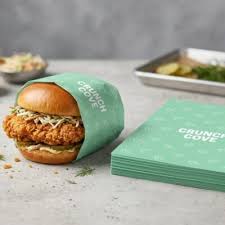
The materials used for wrapping and storing meals should be suitable for their intended purpose. For example, burger wrapping paper should be designed for the type of food it will contact, including its grease and moisture levels. Choosing suitable packaging can help businesses maintain hygiene, protect food quality, and provide customers with a safer experience.
Choose Materials Suitable for Food Contact
Not every paper, plastic, or container is suitable for direct contact with food. Some materials may contain substances that are not intended for food use or may not perform well under certain conditions.
Restaurants should check product specifications and confirm that packaging is suitable for the food and temperature conditions involved. They should also follow applicable food safety rules in their area.
Working with suppliers who provide clear material information can help businesses make better purchasing decisions. Food-contact suitability should always be considered before appearance or price.
Prevent Food From Coming Into Contact With Contaminants
Packaging creates a protective layer between food and the outside environment. It can help reduce exposure to dust, dirt, and unnecessary handling during storage and transportation.
However, packaging only provides protection when it is stored and handled correctly. Restaurants should keep unused materials in clean, dry areas and protect them from insects, moisture, and other sources of contamination.
Staff should also avoid placing clean containers or wrapping materials on dirty work surfaces. These simple habits help maintain hygiene throughout the packing process.
Maintain Clean Handling Practices
Even suitable packaging cannot protect food if employees handle it incorrectly. Staff should follow proper hygiene practices when preparing and packing orders.
Hands should be washed at appropriate times, and clean utensils or food-safe gloves should be used when required. Employees should also avoid touching the surfaces that will come into direct contact with food.
Restaurants can create simple packing guidelines to help workers follow the same procedures during every shift. Regular training and supervision can reduce mistakes, especially during busy service hours.
Consider Grease and Moisture Resistance
Different foods contain different levels of oil, sauce, and moisture. Packaging should be selected according to these conditions to prevent leaks, tearing, and unwanted contact between food and surrounding surfaces.
For example, fried foods and burgers may require wrapping materials designed to handle grease. Wet or saucy meals may need containers with suitable barriers and secure closures.
Businesses should test packaging with their actual menu items before placing large orders. This helps them understand how the materials perform during normal food preparation and service.
Use the Right Packaging for Hot and Cold Foods
Temperature can affect both food quality and packaging performance. Some materials may become weak or unsuitable when exposed to high temperatures, while others may not provide enough protection for chilled products.
Restaurants should check the manufacturer’s guidance before using packaging with hot, cold, or frozen foods. They should also make sure that containers are suitable for the intended storage and serving conditions.
Hot and cold products should be kept separate when necessary. Proper temperature control and suitable packaging work together to protect food during storage and delivery.
Keep Packaging Clean During Storage
Packaging materials can become contaminated before they are even used if they are stored in unsuitable conditions. Dust, moisture, pests, and contact with cleaning chemicals can create hygiene risks.
Restaurants should store packaging away from floors, waste areas, and chemical products. Opened packs should be protected when not in use, and damaged or contaminated materials should not be used for food.
A clean and organized storage area makes it easier for staff to access materials while maintaining proper hygiene standards.
Check Packaging Quality Before Use
Restaurants should inspect packaging for visible damage, unusual odors, dirt, or defects before using it. Torn wrappers, cracked containers, and damaged lids may fail to protect food properly.
Businesses should also review product specifications when selecting a new supplier or material. Samples can help staff check the strength, fit, and performance of packaging with different menu items.
Regular checks can prevent avoidable problems and help maintain consistent food safety practices.
Consider Printing and Design Carefully
Printed packaging can support restaurant branding, but the printing process and materials must also be suitable for the intended use. Businesses should ask suppliers about the inks, coatings, and printing methods used.
If packaging will come into direct contact with food, the materials and printing should meet the relevant food-contact requirements. Restaurants should not assume that every printed paper product is automatically suitable for direct food contact.
Using printed food paper from a supplier that can provide clear product information helps businesses balance presentation with food safety needs.
Train Staff to Follow Packaging Safety Procedures
Food safety depends on consistent actions from everyone involved in preparing and packing orders. Employees should understand how to select, store, inspect, and handle packaging materials.
Restaurants can use short checklists covering clean work surfaces, correct container selection, proper sealing, and safe storage. Supervisors can review these steps during routine checks.
Clear instructions make it easier for new employees to follow the same standards as experienced staff.
Conclusion
Food safety should be a central part of every packaging decision. Restaurants need to consider food-contact suitability, hygiene, grease resistance, temperature conditions, storage, and printing materials before choosing wrapping or containers. Regular inspections and proper staff training can help prevent contamination and packaging failures. By selecting suitable materials and following clean handling practices, food businesses can protect their meals and provide customers with greater confidence in every order.
voters
Report Story 
Related Stories










Recent Stories