 Knockio .
3 hours ago in Business Services, Technology & IT Services
High Authority Social Bookmarking Site for Canadian SEO in 2026 - A2Bookmarks Canada
A2Bookmarks Canada is the premier Canadian social bookmarking site designed to help you save, organize and share favorite web pages. Our social bookmarking platform for Canada makes it easy to manage important links while connecting with other users across top Canadian social bookmarking sites. As one of the leading social bookmarking sites in Canada for 2026, we offer tools to strengthen your digital presence and grow your business online. Elevate your Canadian SEO strategy by bookmarking content for local audiences, increasing relevance across social bookmarking platforms in Canada. Optimize your search rankings with targeted backlinks and community engagement on Canada's fastest-growing bookmarking network. Share, categorize, and promote links to build authority and drive quality traffic. Join our Canadian social bookmarking community today to make your online experience more efficient and connected.
What Should You Do If You Notice Water Stains on Your Ceiling? knockio.com
Knockio .
3 hours ago in Business Services, Technology & IT Services
What Should You Do If You Notice Water Stains on Your Ceiling?
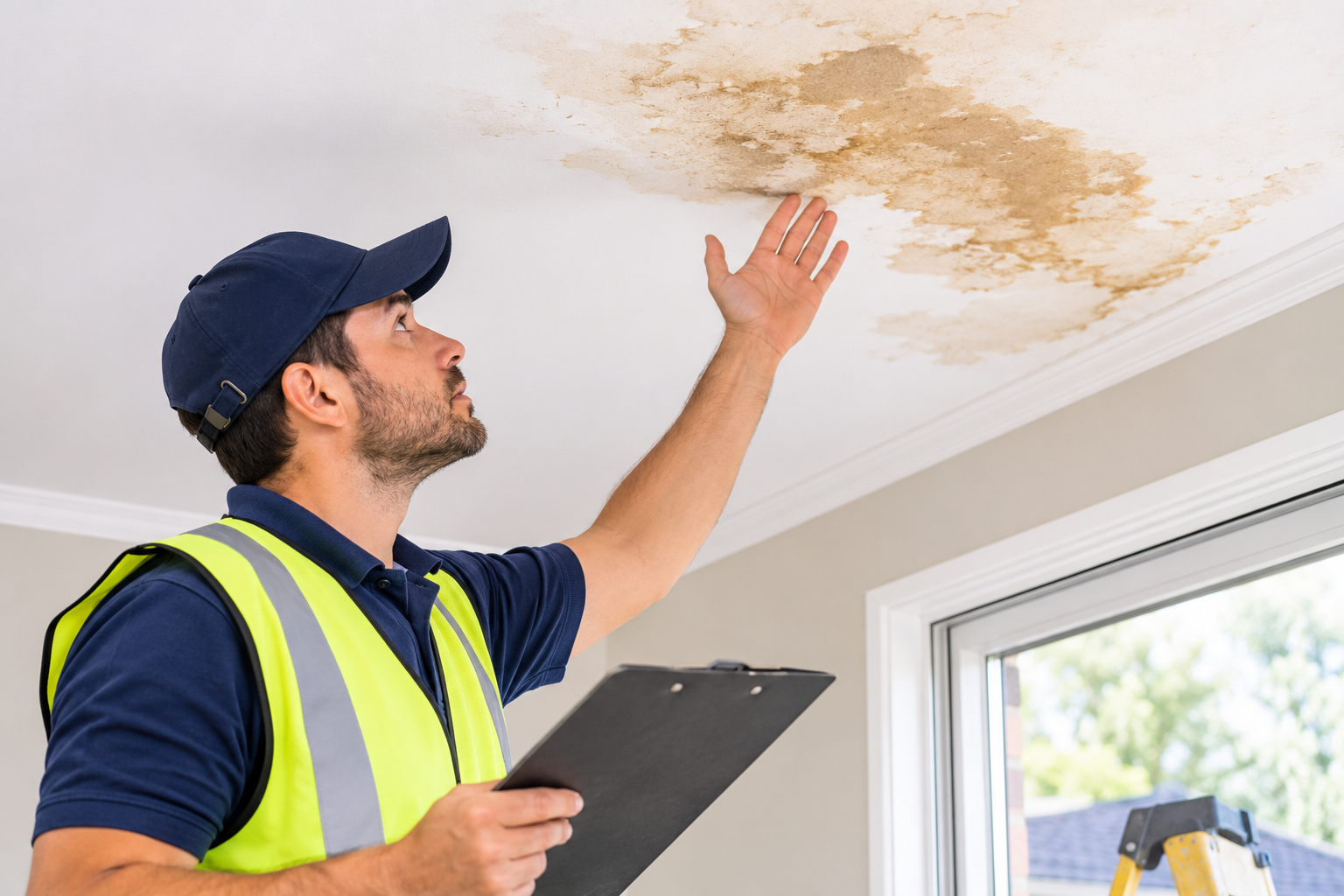
A water stain on the ceiling may look like a small discoloration at first, but it can indicate a problem that needs attention. You might notice a yellowish patch after heavy rain, a brown mark near a light fixture, or a damp area that slowly becomes larger. Although the visible stain may seem harmless, water could already be affecting the materials above it.
The first step is to understand where the moisture is coming from. A leaking roof, damaged flashing, blocked drainage, or plumbing issue can all contribute to ceiling stains. Identifying the possible source early can help prevent the problem from spreading and causing further damage inside the home.
Ignoring the stain or simply painting over it will not resolve the underlying issue. Homeowners should first assess the situation, take precautions, and arrange a proper inspection to determine what needs to be repaired.
Why Should You Pay Attention to Water Stains on Your Ceiling?
A ceiling stain is often one of the first visible signs of moisture entering a home. Even when the affected area appears small, water may have travelled through insulation, roof decking, or other building materials before becoming visible indoors.
The longer the source of moisture remains unresolved, the greater the possibility of damage to nearby materials.
Small Stains Can Indicate Larger Problems
A light brown or yellow mark may develop after a single leak, but it can also indicate repeated water exposure. If the stain becomes darker, spreads outward, or returns after drying, there may still be an active moisture problem.
Homeowners should pay attention to changes in the stain rather than assuming that it will disappear on its own. New discoloration, peeling paint, or soft ceiling materials can help indicate that the affected area needs further assessment.
What Are the Common Causes of Ceiling Water Stains?
The source of a ceiling stain is not always directly above the visible mark. Water can travel along structural materials before reaching the ceiling, which makes identifying the original entry point more difficult.
Several issues can contribute to this problem, depending on the location of the stain and the condition of the property.
Roof Leaks After Heavy Rain
Damaged or missing shingles can allow rainwater to enter through the roof. Strong winds, falling branches, and aging roofing materials may also create openings that expose the layers beneath the roof surface.
Homeowners may notice stains shortly after a storm, particularly in rooms located directly beneath the damaged section. However, the actual entry point may be several feet away from the visible ceiling mark.
Damaged Flashing Around Roof Features
Flashing seals the spots where the roof connects to chimneys, vents, skylights, and walls, helping keep water from getting inside. When flashing becomes loose, cracked, or deteriorated, water may enter through these vulnerable points.
These leaks can be difficult to identify from inside the home because the water may travel beneath the roofing materials before reaching the ceiling.
Plumbing Leaks Above the Ceiling
Not every ceiling stain comes from the roof. A leaking bathroom pipe, damaged water supply line, or faulty plumbing connection can also cause moisture to appear on ceilings below kitchens and bathrooms.
If the stain develops even when there has been no rainfall, plumbing should also be considered as a possible source.
Condensation and Poor Ventilation
Excess moisture inside the home can contribute to condensation around ceilings and roof spaces. Bathrooms, kitchens, and poorly ventilated attic areas may experience moisture buildup when warm air cannot escape properly.
This type of moisture problem may create discoloration over time, especially when ventilation remains inadequate.
What Should You Do First When You Notice a Ceiling Water Stain?
Once you notice a water stain, avoid making assumptions about its cause. Instead, start by checking the affected area and looking for signs that indicate whether the problem is getting worse.
Taking a few basic precautions can help protect the room while you arrange a professional inspection.
Check Whether the Area Is Still Wet
Look at the stain without touching or pressing against the ceiling. A damp surface, dripping water, bubbling paint, or a visibly sagging section may indicate an active leak.
If water is entering near a light fixture or electrical fitting, avoid touching the area or using the affected electrical equipment. Keep people away and contact a qualified electrician when necessary.
Move Furniture and Other Belongings
If the stain is beneath an area where water may be entering, move furniture, electronics, rugs, and other belongings away from the affected location.
Place a suitable container beneath active dripping when it is safe to do so. This can help reduce damage to flooring and furniture while you arrange assistance.
Take Photographs of the Damage
Photograph the stain from a safe position and record when you first noticed it. If the discoloration changes size or becomes darker, take additional pictures to document the progress.
These records can help roofing professionals understand the problem and may also be useful when discussing a potential insurance claim.
How Can You Tell If a Ceiling Water Stain Is Getting Worse?
A ceiling stain does not always remain the same size. If moisture continues entering the building, the affected area may gradually expand or develop additional signs of damage.
Monitoring these changes can help homeowners understand when the situation requires more immediate attention.
Watch for Peeling Paint and Bubbling Surfaces
Paint may begin to bubble, crack, or separate from the ceiling when moisture collects beneath the surface. You may also notice discoloration spreading beyond the original stain.
These changes suggest that the affected material needs proper assessment rather than another layer of paint.
Look for Sagging or Soft Ceiling Materials
A ceiling that begins to sag may have absorbed a considerable amount of moisture. Water accumulation can weaken drywall and other ceiling materials, increasing the risk of a section falling.
Do not stand beneath a visibly sagging area or attempt to puncture it to release trapped water. Keep the area clear and contact an appropriate professional promptly.
Notice Changes in Smell
A persistent musty smell can indicate that moisture has remained inside building materials. Even when the ceiling surface appears dry, damp insulation or other hidden materials may still need attention.
If the smell continues after the visible area dries, further inspection may be necessary.
Can a Roof Leak Cause Water Stains in Different Rooms?
Yes, a roof leak can affect more than one room, depending on the roof structure and the path water takes after entering the building.
Water may move along rafters, insulation, ceiling framing, or other surfaces before becoming visible. As a result, a stain in one room does not always identify the exact location of the roof damage.
Water Can Travel Along Structural Materials
For example, rainwater may enter through damaged shingles above a bedroom and travel along the roof decking before reaching the ceiling. The visible stain could appear closer to an interior wall rather than directly beneath the original opening.
This is why identifying the leak based only on the location of the stain can lead to an incorrect repair.
Multiple Stains May Point to a Wider Issue
If several stains appear in different rooms, the property may have more than one moisture entry point or a larger roofing problem.
A professional inspection can help determine whether the damage is connected or whether separate issues are affecting different areas of the home.
How Can You Identify the Source of a Ceiling Leak?
Finding the source of a leak is an important part of resolving ceiling water stains. Although the discoloration may appear in one location, the actual problem could be somewhere else in the roof or plumbing system.
A proper assessment helps narrow down the possible causes before repair work begins.
Check the Roof From the Ground
If you suspect roof damage, look at the exterior from a safe position. Missing shingles, visible debris, damaged flashing, and other changes may indicate a roofing problem.
Avoid climbing onto the roof, particularly after rainfall or during strong winds. A damaged roof can have unstable sections that are difficult to recognize from the ground.
Consider When the Stain First Appeared
The timing of the stain can offer useful clues. If it appears after heavy rainfall, a roof leak may be responsible. If it develops without any recent rain, plumbing leaks or condensation may need further investigation.
Keep in mind that water can take time to travel through building materials, so the stain may appear hours or even days after the original leak begins.
Why Is a Professional Roof Inspection Important?
A professional inspection helps identify the condition of the roofing system and determine whether water is entering through damaged materials.
Roofers can examine areas that homeowners may not be able to access safely, including flashing, shingles, roof penetrations, underlayment, and surrounding components.
Hidden Damage Needs Attention
Visible ceiling stains do not always reveal the full extent of the problem. Water may have affected insulation, roof decking, or other materials before reaching the interior.
A closer inspection helps determine whether the damage is limited to one section or involves a larger area.
The Repair Should Address the Actual Cause
Simply replacing a few shingles may not resolve the problem if damaged flashing or another roofing component is allowing water inside.
The inspection should identify the entry point and the materials that need attention. This helps prevent repeated leaks and unnecessary repair work.
Can Water Stains Lead to Mold Growth?
Moisture that remains inside ceilings, insulation, or surrounding materials can create conditions that support mold growth.
The risk depends on how much moisture is present, how long the materials remain damp, and whether the affected area receives proper drying and treatment.
Damp Materials Should Not Be Ignored
Drywall, insulation, and wooden components can retain moisture even after the visible ceiling stain begins to fade.
A persistent musty smell, recurring discoloration, or visible mold growth may indicate that additional assessment is needed.
Address Moisture Before Repainting
Painting over a stained ceiling without resolving the leak can hide the visible mark while leaving the underlying problem untouched.
The source of moisture should be repaired first. Any affected materials should then be properly dried, cleaned, or replaced as recommended by qualified professionals.
Should You Repair the Ceiling Before Fixing the Roof?
The source of the water should be addressed before cosmetic ceiling repairs begin. Otherwise, another rainfall or continued plumbing leak may damage the newly repaired surface.
The right order of work helps avoid repeating the same repair process.
Fix the Source of Water Entry First
If the roof is responsible, the damaged roofing materials need to be repaired or replaced. If the problem comes from plumbing, the affected pipe or connection needs attention.
Once the source has been resolved, the affected ceiling area can be assessed for drying and restoration.
Allow the Ceiling to Dry Properly
Ceiling materials should be checked for remaining moisture before repainting or installing replacement drywall.
The drying period depends on the extent of the damage, the materials involved, and the conditions inside the property. A professional can help determine whether the affected section needs replacement.
How Can Homeowners Choose the Right Roofing Professional?
Finding a reliable roofing professional is important when a ceiling stain appears to be connected to roof damage. Homeowners should look for contractors who can explain the problem clearly, inspect the affected areas, and recommend repairs based on the actual condition of the roof.
Choosing someone only because they offer the quickest appointment may not always lead to the right solution.
Check Experience and Customer Feedback
Look for roofing contractors with experience handling leaks, storm damage, flashing problems, and other common roofing issues.
Customer reviews can offer useful information about communication, scheduling, workmanship, and how contractors handle repair concerns.
Ask for a Clear Inspection and Repair Plan
Before approving the work, ask what caused the leak, which materials need repair, and whether any hidden damage was discovered.
A clear estimate should explain the proposed work and associated costs. This makes it easier to understand what the contractor intends to fix.
Understand How Roofing Businesses Manage Their Operations
Homeowners may also come across companies using digital tools to coordinate inspections, customer information, estimates, and repair schedules. Solutions such as roofing sales software in USA can help roofing businesses organize their sales processes and manage communication with potential customers.
For homeowners, the main consideration remains whether the contractor provides a proper inspection, explains the repair requirements, and communicates the next steps clearly.
Can Homeowners Prevent Ceiling Water Stains in the Future?
Although unexpected leaks cannot always be avoided, regular roof maintenance can help identify potential problems before they cause visible interior damage.
Small issues are generally easier to address when they are discovered early.
Schedule Regular Roof Inspections
Have the roof checked periodically, especially after severe weather. A professional can look for missing shingles, loose flashing, deteriorating sealants, and other signs of wear.
These inspections can help identify vulnerable areas before water begins entering the property.
Keep Gutters and Downspouts Clear
Blocked gutters can prevent rainwater from draining properly. When water collects around roof edges, it may contribute to moisture problems and damage surrounding materials.
Remove leaves and debris regularly and check that downspouts direct water away from the building.
Maintain Proper Attic Ventilation
Good attic ventilation helps manage heat and moisture buildup beneath the roof. Check that ventilation openings remain clear and that the attic does not have persistent condensation or dampness.
If moisture problems continue, a roofing or ventilation professional can assess whether improvements are needed.
What Mistakes Should Homeowners Avoid When Dealing With Ceiling Water Stains?
A common mistake is assuming that a small stain is not serious enough to require attention. Even limited discoloration can indicate an active leak or moisture trapped inside the ceiling.
Another mistake is painting over the mark before identifying the source of water entry.
Do Not Ignore Recurring Stains
If the same stain returns after cleaning or repainting, the original moisture problem may still exist.
Instead of repeatedly covering the discoloration, arrange an inspection to determine why the area continues to become wet.
Avoid Climbing Onto a Damaged Roof
Trying to locate a leak by walking across the roof can increase the risk of falling or disturbing already damaged materials.
Leave roof access and repair work to professionals with suitable safety equipment.
Do Not Delay Necessary Repairs
Waiting for another rainfall to confirm a suspected leak can allow moisture to affect additional materials.
Once you notice signs of water entry, arrange an assessment and follow the recommended repair process.
When Should You Contact a Professional Immediately?
Some ceiling water stains require faster attention than others. A small, dry mark may need a scheduled inspection, while active dripping, sagging, or water near electrical fittings can indicate a more urgent situation.
Homeowners should take immediate precautions when the ceiling appears unstable or water is entering near electrical equipment.
Watch for Serious Warning Signs
Contact an appropriate professional promptly if you notice:
- Water actively dripping from the ceiling
- A ceiling section that is sagging or bulging
- Rapidly spreading water stains
- Dampness around electrical fixtures
- Large areas of peeling or falling ceiling material
- Persistent moisture or visible mold growth
If the ceiling appears at risk of collapsing, keep everyone away from the affected area and seek emergency assistance.
Final Thoughts
Water stains on a ceiling should never be treated as a purely cosmetic problem. They can indicate roof leaks, plumbing issues, condensation, or moisture affecting materials above the visible surface.
The first step is to assess the affected area safely, protect furniture and belongings, and document any visible changes. Homeowners should then arrange a professional inspection to identify the source and determine what repairs are necessary.
Once the underlying problem has been resolved, affected materials can be properly dried, repaired, or replaced. Regular roof inspections, clear gutters, and adequate ventilation can also help reduce the likelihood of similar problems in the future.
Taking action early can help prevent a small ceiling stain from turning into a much larger repair issue.
For more information and news visit at canada.a2bookmarks.com
voters
Report Story Related Stories












Recent Stories