 CIFA AC
7 hours ago in Business Services
High Authority Social Bookmarking Site for Canadian SEO in 2026 - A2Bookmarks Canada
A2Bookmarks Canada is the premier Canadian social bookmarking site designed to help you save, organize and share favorite web pages. Our social bookmarking platform for Canada makes it easy to manage important links while connecting with other users across top Canadian social bookmarking sites. As one of the leading social bookmarking sites in Canada for 2026, we offer tools to strengthen your digital presence and grow your business online. Elevate your Canadian SEO strategy by bookmarking content for local audiences, increasing relevance across social bookmarking platforms in Canada. Optimize your search rankings with targeted backlinks and community engagement on Canada's fastest-growing bookmarking network. Share, categorize, and promote links to build authority and drive quality traffic. Join our Canadian social bookmarking community today to make your online experience more efficient and connected.
Investment Risk and Taxation Course: Build Expertise in Investment Management and Financial Planning cifa.ac
CIFA AC
7 hours ago in Business Services
Investment decisions involve more than identifying profitable opportunities. Successful investment management requires an understanding of financial markets, asset classes, investment risks, taxation, portfolio construction, and strategies for achieving long-term financial objectives. As financial markets continue to evolve, professionals need relevant knowledge to evaluate investment opportunities and understand the factors that influence investment performance.
For individuals interested in developing a career in finance, wealth management, or financial planning, an investment risk and taxation course can provide valuable professional knowledge. Understanding the relationship between investment risk, potential returns, and taxation helps financial professionals evaluate different investment products and understand how financial decisions affect clients and businesses.
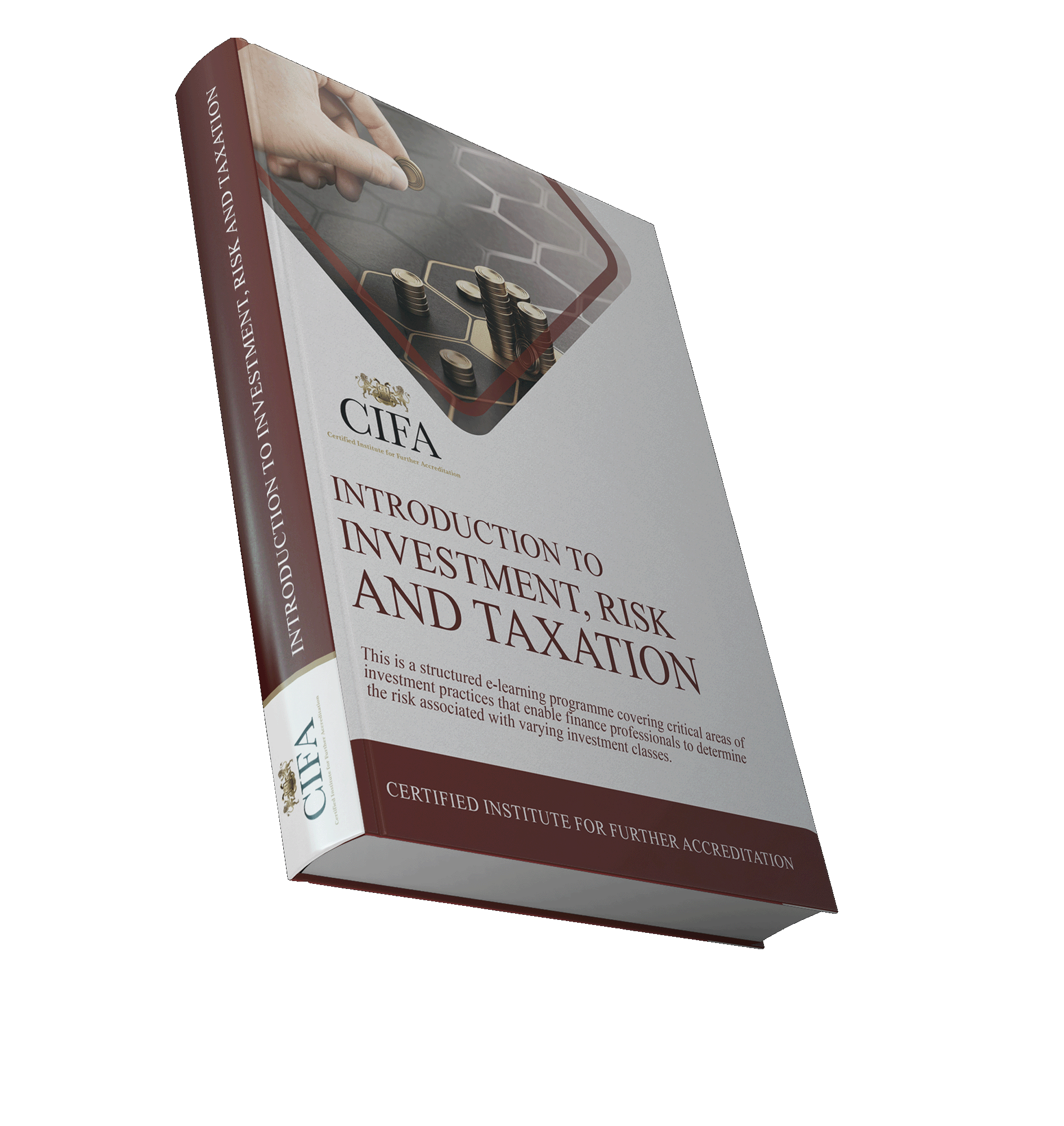
CIFA’s Introduction to Investment, Risk and Taxation course is designed to introduce learners to essential investment principles and financial planning concepts. The programme covers eight important areas, including asset classes, the macroeconomic environment, investment risk and return, taxation, investment products, portfolio construction, investment strategies, and portfolio performance.
Whether you are an aspiring financial adviser, investment manager, stockbroker, wealth manager, or finance graduate, developing investment knowledge can help you build a stronger foundation for professional growth.
What Is an Investment Risk and Taxation Course?
An investment risk and taxation course is a professional learning programme that explores how investments operate, how financial risks are evaluated, and how taxation influences investment decisions.
Investors have different financial objectives, investment periods, and levels of risk tolerance. Financial professionals must understand these differences when evaluating investment products and considering suitable strategies.
A comprehensive programme generally introduces learners to:
- Different investment asset classes.
- The relationship between investment risk and return.
- Economic conditions and financial markets.
- Investment taxation and tax considerations.
- Stocks, bonds, funds, and other investment products.
- Portfolio diversification and asset allocation.
- Investment strategies and financial planning.
- Portfolio performance measurement and evaluation.
These subjects help learners understand how investment decisions are made and why risk management and taxation are important elements of financial planning.
Why Is Investment Risk and Taxation Knowledge Important?
Investment markets are influenced by economic conditions, interest rates, inflation, market movements, investor behaviour, and government policies. These factors can affect investment values and the returns investors receive.
Understanding investment risk and taxation is therefore essential for professionals who want to evaluate financial opportunities and support informed investment decisions.
1. Understanding the Relationship Between Risk and Return
Every investment involves some degree of risk. Generally, investments with higher potential returns may also involve greater uncertainty or the possibility of financial loss.
Investment professionals must understand how to evaluate this relationship before considering different investment opportunities.
Important concepts include:
- Market risk.
- Credit risk.
- Liquidity risk.
- Inflation risk.
- Interest rate risk.
- Currency risk.
- Investment volatility.
Understanding these risks helps learners recognise the importance of balancing investment opportunities against potential financial losses.
2. Understanding Different Asset Classes
Asset classes are groups of investments that share similar characteristics.
Common asset classes include:
- Equities: Represent ownership in companies and may provide capital growth and dividend income.
- Bonds: Debt instruments through which investors lend money to governments or companies.
- Cash and cash equivalents: Generally provide greater liquidity and relatively lower investment risk.
- Property: Offers potential rental income and capital appreciation but can involve liquidity and market risks.
- Commodities: Include assets such as gold, oil, and agricultural products.
- Alternative investments: Include investment categories outside traditional equities and bonds.
Each asset class has different characteristics, potential returns, and risk factors. Learning about them helps professionals understand the importance of investment diversification.
3. Understanding Investment Taxation
Taxation can influence the overall financial outcome of an investment.
Investors may have tax obligations relating to investment income, dividends, capital gains, and other financial activities, depending on their circumstances and applicable legislation.
Important areas include:
- Income tax considerations.
- Capital gains tax.
- Dividend taxation.
- Tax-efficient investment arrangements.
- Pension-related investment considerations.
- Tax implications of different investment products.
Understanding these areas helps financial professionals recognise how taxation can influence investment planning and portfolio decisions.
4. Developing Portfolio Management Skills
Portfolio management involves selecting and managing investments according to financial objectives, risk tolerance, and investment time horizons.
Professionals need to understand diversification, asset allocation, investment selection, and performance evaluation.
These concepts are essential for developing investment strategies that consider both potential returns and financial risks.
5. Supporting Better Financial Decisions
Investment decisions should be based on appropriate research, financial analysis, and an understanding of individual circumstances.
A structured investment education programme helps learners develop the knowledge needed to examine investment opportunities, compare financial products, and understand the potential consequences of different investment strategies.
What Will You Learn in CIFA’s Investment Risk and Taxation Course?
CIFA’s Introduction to Investment, Risk and Taxation course provides structured learning across eight chapters. The programme introduces essential investment concepts and explores how financial professionals analyse investments, manage portfolios, and consider taxation.
Chapter 1: Asset Classes
Understanding asset classes is fundamental to investment management.
This chapter introduces the main categories of investments and explores their characteristics, potential returns, and associated risks.
Learners develop an understanding of equities, bonds, cash investments, property, and other investment categories.
The knowledge gained helps explain why investors use different asset classes when constructing diversified portfolios.
Chapter 2: The Macroeconomic Environment
Economic conditions influence financial markets and investment performance.
This chapter introduces the macroeconomic factors that affect investment decisions, including inflation, interest rates, economic growth, employment, and monetary policy.
Learners explore how changes in the economic environment can influence asset prices, investor confidence, and financial market activity.
Chapter 3: Principles of Investment Risk and Return
Risk and return are central concepts in investment management.
This chapter examines the relationship between potential investment returns and the risks associated with different financial opportunities.
Learners explore investment risk, return expectations, diversification, and the importance of assessing potential losses when evaluating investment options.
Chapter 4: Taxation of Investors and Investments
Taxation can have an important influence on investment performance and financial planning.
This chapter introduces the tax considerations associated with different investment arrangements and the way taxation can affect investors.
Learners develop an understanding of investment-related taxation and its relevance to financial decision-making.
Chapter 5: Investment Product Types
Financial markets provide investors with access to a wide range of investment products.
This chapter explores different investment products and their features, helping learners understand how financial instruments are used to meet different investment objectives.
Understanding product characteristics is important when evaluating potential investment opportunities and considering portfolio requirements.
Chapter 6: Planning and Constructing Portfolios
Portfolio construction involves selecting investments that reflect financial objectives, investment periods, and risk tolerance.
This chapter explores portfolio planning, asset allocation, and diversification.
Learners develop an understanding of how different investments can be combined to create portfolios and why regular portfolio assessment is important.
Chapter 7: Guidance on Investment Strategies
Investment strategies provide a framework for making decisions about financial assets and investment opportunities.
This chapter introduces different investment approaches and the considerations involved in selecting appropriate strategies.
Learners explore how investment objectives, market conditions, risk tolerance, and time horizons influence investment planning.
Chapter 8: Performance and Reviewing of Portfolios
Portfolio performance should be reviewed regularly to determine whether investments remain aligned with financial objectives.
This chapter explores the principles of portfolio performance evaluation and the importance of reviewing investment arrangements.
Learners gain an understanding of how portfolio performance can be assessed and why investment strategies may need adjustments as circumstances change.
Who Should Enrol in an Investment Risk and Taxation Course?
Investment education can benefit individuals at different stages of their professional journeys. Whether you are studying finance or already working in the financial services industry, understanding investment risk and taxation can support your professional development.
Financial Advisers
Financial advisers can strengthen their understanding of investment products, portfolio construction, taxation, and risk assessment.
Investment Managers
Investment professionals can expand their knowledge of asset classes, investment strategies, diversification, and portfolio performance.
Stockbrokers
Stockbrokers can develop a broader understanding of investment products, market conditions, and the risks associated with different financial instruments.
Wealth Managers
Wealth management professionals can benefit from understanding how taxation, investment risk, and portfolio allocation influence long-term wealth planning.
Finance and Accounting Graduates
Graduates interested in entering financial services can develop foundational investment knowledge that complements their academic background.
Career Changers
Individuals considering a transition into investment management, financial planning, or wealth management can use structured education to understand the fundamentals of the investment industry.
Existing Financial Services Professionals
Professionals working in banking, financial administration, investment operations, and related areas can expand their knowledge through continuing professional development.
Career Opportunities After Studying Investment Risk and Taxation
Developing investment knowledge can support professional development across several areas of financial services.
Potential career pathways include:
- Investment analyst.
- Financial planning associate.
- Wealth management assistant.
- Investment operations analyst.
- Portfolio administration specialist.
- Stockbroking support professional.
- Financial services consultant.
- Investment research assistant.
- Asset management associate.
- Financial adviser trainee.
Career opportunities depend on an individual’s experience, qualifications, employer requirements, and any applicable regulatory standards.
Completing an investment education course does not automatically provide authorisation to undertake regulated financial activities. Additional qualifications and regulatory requirements may apply to specific professional roles.
Why Choose CIFA for Investment Risk and Taxation Training?
Choosing a suitable education provider is an important part of professional development. Learners should consider the course curriculum, learning resources, assessment arrangements, and opportunities to develop relevant industry knowledge.
CIFA offers online professional education in investment, financial planning, financial regulation, compliance, and other areas of finance.
Its Introduction to Investment, Risk and Taxation course includes several learning features.
210 CPD Hours
The programme offers 210 CPD-verified learning hours, providing a substantial opportunity for structured professional development.
Eight Comprehensive Chapters
The curriculum explores eight essential investment subjects, from asset classes and macroeconomic conditions to portfolio construction and performance evaluation.
Intermediate-Level Learning
The course is listed at intermediate level, making it relevant to learners who want to develop their existing financial knowledge and strengthen their understanding of investment principles.
Flexible Online Education
The digital learning format allows students to study at their own pace and access their learning resources through the online portal.
Chapter-Based Mock Examinations
Mock examinations for each chapter help learners review their knowledge and assess their understanding of important investment concepts.
Lifetime Portal Access
Learners receive lifetime access to the digital learning portal, allowing them to revisit available course materials.
Certificate of Achievement
Students who successfully complete and pass the required proctored examination receive a digital certificate of achievement. Printed certificates are also available upon request, subject to applicable charges.
Digital Professional Profile
The course also includes a digital profile, providing an additional professional resource for learners.
How to Build a Career in Investment Management
Developing a career in investment management requires more than an understanding of financial products. Professionals need analytical abilities, market awareness, risk management knowledge, and an understanding of investment objectives.
The following steps can help you work towards a career in this field.
1. Develop Investment Fundamentals
Start by understanding asset classes, financial instruments, investment returns, and the relationship between risk and reward.
2. Understand Financial Markets
Follow economic developments, interest rates, inflation, and market movements to develop an understanding of the factors influencing investments.
3. Learn Portfolio Management
Study asset allocation, diversification, portfolio construction, and investment performance evaluation.
4. Develop Taxation Knowledge
Understand how taxation can influence investment returns and financial planning decisions.
5. Strengthen Analytical Skills
Investment professionals need to interpret financial information, compare investment opportunities, and evaluate potential risks.
6. Gain Relevant Experience
Explore opportunities in investment administration, banking, financial planning, portfolio support, or investment research.
7. Continue Professional Development
Consider additional industry-specific qualifications and training to develop specialist knowledge relevant to your chosen career path.
The Importance of Investment Education in Modern Financial Markets
Modern investment markets offer a wide range of financial products and opportunities. However, increased investment choices also create challenges for individuals and professionals responsible for evaluating financial decisions.
Economic uncertainty, changing interest rates, inflation, technological developments, and international market movements can all influence investment performance.
Investors and financial professionals must therefore understand how different factors affect financial assets and investment strategies.
Investment education provides a foundation for understanding these developments. Learning about taxation, risk assessment, asset allocation, and portfolio management can help individuals develop a more informed approach to investment analysis.
As financial services continue to evolve, professionals with a strong understanding of investment principles can be better prepared to adapt to changing market conditions and professional expectations.
Conclusion
Investment management requires a balanced understanding of financial opportunities, potential risks, taxation, and portfolio performance. Professionals who understand these areas are better equipped to evaluate investment products and appreciate the factors that influence financial decisions.
An investment risk and taxation course provides an opportunity to develop knowledge of asset classes, macroeconomic conditions, investment risk and return, taxation, portfolio construction, and investment strategies.
CIFA’s Introduction to Investment, Risk and Taxation course offers eight structured learning chapters and 210 CPD-verified learning hours. With intermediate-level content, chapter-based mock examinations, lifetime portal access, a digital professional profile, and a certificate of achievement upon successful completion, the programme supports individuals looking to strengthen their investment knowledge.
For financial advisers, investment managers, stockbrokers, wealth managers, graduates, and career changers, developing a strong understanding of investment risk and taxation can be a valuable step towards professional growth in the financial services industry.
Frequently Asked Questions (FAQs)
1. What is an investment risk and taxation course?
An investment risk and taxation course introduces learners to investment principles, financial markets, asset classes, risk management, investment taxation, and portfolio construction. It helps individuals understand how these factors influence investment decisions and financial planning.
2. Why is investment risk important in financial planning?
Investment risk is important because financial assets can fluctuate in value and may produce different returns. Understanding risk helps financial professionals consider investment objectives, time horizons, and risk tolerance when evaluating investment opportunities.
3. What topics are covered in CIFA’s Investment Risk and Taxation course?
CIFA’s programme covers eight chapters: asset classes, the macroeconomic environment, principles of investment risk and return, taxation of investors and investments, investment product types, planning and constructing portfolios, investment strategies, and portfolio performance reviews.
4. How many CPD hours does the CIFA course provide?
CIFA’s Introduction to Investment, Risk and Taxation course provides 210 CPD-verified learning hours.
5. Who should study investment risk and taxation?
Financial advisers, investment managers, stockbrokers, wealth managers, finance graduates, and individuals interested in investment management or financial planning can benefit from this course.
6. Can beginners study investment risk and taxation?
Individuals new to investment can develop foundational knowledge through structured learning. However, CIFA lists this particular programme at intermediate level, so learners should review the curriculum before enrolling.
7. How does taxation affect investment returns?
Taxation can influence the net returns investors receive from investment income, dividends, and capital gains. Understanding applicable tax rules helps financial professionals consider tax implications when evaluating investment strategies.
voters
Report Story 
Related Stories












Recent Stories