 aiden brown
25 minutes ago in Legal Services
High Authority Social Bookmarking Site for Canadian SEO in 2026 - A2Bookmarks Canada
A2Bookmarks Canada is the premier Canadian social bookmarking site designed to help you save, organize and share favorite web pages. Our social bookmarking platform for Canada makes it easy to manage important links while connecting with other users across top Canadian social bookmarking sites. As one of the leading social bookmarking sites in Canada for 2026, we offer tools to strengthen your digital presence and grow your business online. Elevate your Canadian SEO strategy by bookmarking content for local audiences, increasing relevance across social bookmarking platforms in Canada. Optimize your search rankings with targeted backlinks and community engagement on Canada's fastest-growing bookmarking network. Share, categorize, and promote links to build authority and drive quality traffic. Join our Canadian social bookmarking community today to make your online experience more efficient and connected.
Are Canada’s Education and Career Opportunities Worth Exploring in Ottawa? mandallimmigrationlaw.com
aiden brown
25 minutes ago in Legal Services
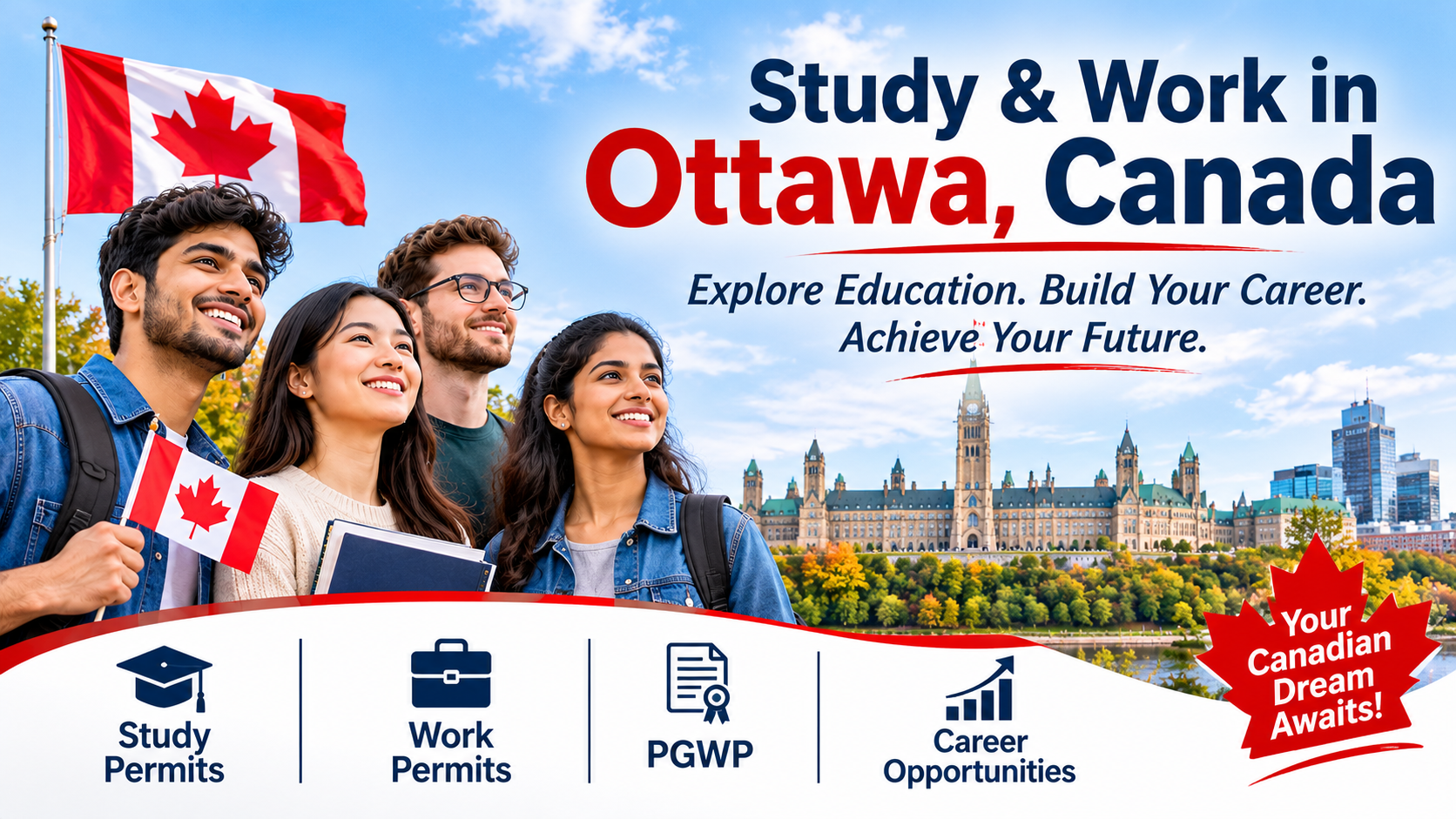
Canada continues to attract international students and skilled professionals who want to develop their education, gain valuable employment experience, and explore new career opportunities. Ottawa, the country’s capital, is an attractive destination for individuals interested in higher education and professional growth. Its universities, colleges, technology sector, government institutions, and diverse employment opportunities make it an appealing choice for newcomers.
However, studying or working in Canada requires an understanding of the country’s immigration regulations. International students generally need appropriate authorization to pursue their education, while foreign nationals seeking employment must meet the requirements of an applicable work permit category. Both processes involve eligibility assessments, supporting documentation, and compliance with federal immigration rules.
Understanding the differences between study permits and work permits can help applicants make informed decisions about their future. Whether someone plans to attend a Canadian university or accept employment with a Canadian organization, proper preparation is essential for a successful immigration application.
Why Is Ottawa an Attractive Destination for International Students?
Ottawa offers an excellent environment for international students who want to experience Canadian education while living in a multicultural city. It is home to recognized educational institutions, research centres, and professional communities that attract students from different parts of the world.
The city provides educational opportunities in several fields, including information technology, engineering, healthcare, business administration, public policy, and social sciences. Students can explore academic programs that match their interests and long-term professional goals.
Another advantage of studying in Ottawa is the opportunity to experience both English and French-speaking communities. This environment can help international students develop communication skills and become familiar with Canada’s cultural diversity.
However, choosing an educational institution requires more than simply comparing tuition fees or program descriptions. Students should consider whether the institution is a Designated Learning Institution (DLI), whether their chosen program meets their academic objectives, and whether the program is eligible for a Post-Graduation Work Permit (PGWP), where relevant.
A study permit lawyer Ottawa can help prospective students understand Canadian immigration requirements before submitting an application. Professional legal guidance may be particularly useful when applicants have questions about eligibility, financial documentation, previous immigration history, or the conditions attached to their intended studies.
Understanding Canadian Study Permit Requirements
A Canadian study permit is an official document that authorizes eligible foreign nationals to study at an approved educational institution in Canada. Applicants generally need a letter of acceptance from a DLI and must satisfy the applicable immigration requirements.
IRCC assesses several aspects of a study permit application. Financial circumstances, educational background, intended program, identity documents, and the applicant’s overall circumstances may be considered during the assessment.
Applicants generally need to demonstrate that they have sufficient financial resources to cover their tuition fees, living expenses, and return transportation. They must also satisfy applicable admissibility requirements and convince the immigration officer that they will respect the conditions of their temporary stay.
Depending on the applicant’s circumstances and intended program, a Provincial Attestation Letter (PAL) or Territorial Attestation Letter (TAL) may also be required. Certain applicants are exempt, including eligible students beginning degree-granting master’s or doctoral programs at public designated learning institutions from January 1, 2026.
Students planning to study in Quebec generally need to consider the province’s separate Quebec Acceptance Certificate requirements.
The documentation requirements can vary according to the applicant’s situation. Therefore, it is important to consult current government instructions rather than relying on outdated information.
Why Does Your Choice of Educational Program Matter?
Selecting the right academic program can influence more than the quality of an individual’s educational experience. It may also affect future employment opportunities and eligibility for certain immigration pathways.
Students should carefully research the institution, program duration, curriculum, tuition fees, and available academic support. They should also consider whether their chosen qualification is recognized in their intended professional field.
One important consideration is the Post-Graduation Work Permit Program. Graduating from a Canadian institution does not automatically make someone eligible for a PGWP. The institution and program must meet the applicable eligibility requirements.
Depending on the program and the date of the study permit application, graduates may also need to satisfy language proficiency and field-of-study requirements.
A study permit lawyer Ottawa may help applicants understand how their proposed education relates to immigration requirements. This can be particularly valuable when choosing between different institutions or considering a program with specific PGWP eligibility conditions.
Making an informed educational decision can help students avoid misunderstandings about their future opportunities in Canada.
Exploring Employment Opportunities in Ottawa
Ottawa has a diverse employment market supported by public administration, technology, healthcare, education, research, and professional services. The city is particularly recognized for its technology ecosystem and government-related employment opportunities.
International professionals may be interested in positions involving software development, cybersecurity, engineering, financial services, healthcare, administration, and specialized technical occupations.
However, having professional qualifications or receiving an employment offer does not automatically authorize a foreign national to work in Canada. Most foreign nationals need a valid work permit unless they qualify for an applicable exemption.
Canadian work permits generally fall into two main categories: employer-specific work permits and open work permits.
An employer-specific work permit usually restricts the worker to the employer, occupation, and location identified in the permit. An open work permit allows eligible individuals to work for most compliant employers without being restricted to one specific employer.
The availability of these permits depends on the applicant’s individual circumstances and the applicable immigration category.
Employer-Specific and Open Work Permits Explained
An employer-specific work permit is commonly associated with a Canadian job offer. Depending on the position and applicable exemption, the employer may need a positive Labour Market Impact Assessment (LMIA) before the foreign worker can apply.
An LMIA is an assessment used to demonstrate that hiring a foreign worker meets the relevant labour market requirements. If the position is LMIA-exempt, the employer may instead need to submit an offer of employment through the Employer Portal and provide the worker with an offer of employment number.
Open work permits operate differently. They are available only to individuals who qualify under specific immigration categories. Eligible applicants may include certain international graduates, qualifying spouses or partners, and individuals covered by other established immigration provisions.
Applicants should not assume that they can choose whichever work permit seems more convenient. Their eligibility determines which category may be available.
A work permit lawyer Ottawa can explain the legal differences between these options and help applicants understand the requirements relevant to their employment circumstances. This may include reviewing job offers, employer documentation, LMIA-related information, and applicable exemptions.
Understanding the correct category before applying can reduce confusion and help applicants prepare appropriate supporting evidence.
How Can International Graduates Explore Employment in Canada?
For many international students, gaining Canadian work experience after graduation is an important career objective. The Post-Graduation Work Permit Program provides eligible graduates with an opportunity to obtain valuable Canadian employment experience.
A PGWP is generally an open work permit, allowing eligible graduates to work for most employers in Canada, subject to applicable conditions.
However, eligibility depends on several factors, including the designated learning institution, program of study, study duration, student status, and applicable application requirements.
For example, most eligible programs must be at least eight months long, although specific exceptions and alternative requirements may apply. Applicants generally need to submit their PGWP application within 180 days after receiving confirmation that they have completed their studies.
Language requirements and field-of-study requirements may also apply depending on the graduate’s educational program and the relevant application dates.
Students should understand these requirements before selecting an institution or program. An educational decision based on incorrect assumptions about post-graduation employment opportunities may create difficulties later.
Professional immigration guidance can help graduates understand the relationship between their study history, current immigration status, and potential work authorization.
Common Challenges in Study and Work Permit Applications
Study and work permit applications can involve different legal and administrative challenges. Some applicants experience difficulties because their supporting documents do not adequately explain their circumstances.
For study permit applicants, concerns may involve insufficient financial evidence, unclear study intentions, inconsistencies in academic history, or incomplete supporting documentation.
Work permit applications may involve issues relating to employer eligibility, missing employment documents, LMIA requirements, job qualifications, or questions about the proposed employment arrangement.
Previous immigration refusals can also make future applications more complicated. Applicants should carefully review the reasons provided in an earlier decision before submitting another application.
Providing inaccurate information or omitting relevant details can create serious immigration consequences. All information submitted to IRCC should be complete, truthful, and consistent with the supporting evidence.
A work permit lawyer Ottawa can help workers understand the legal requirements associated with their employment category and identify potential concerns in their documentation.
Similarly, applicants pursuing education may benefit from having their circumstances reviewed before submitting a study permit application.
The Importance of Professional Immigration Guidance
Canadian immigration regulations can be detailed and subject to change. Applicants may find it difficult to determine which requirements apply to their particular circumstances, especially when their education, employment history, or previous immigration records are complicated.
Professional legal assistance can help clarify eligibility requirements, explain available immigration options, and identify documentation concerns.
For students, legal guidance may involve reviewing study permit eligibility, understanding financial requirements, and explaining the importance of selecting an appropriate educational institution.
For foreign workers, assistance may involve understanding employer-specific conditions, open work permit eligibility, and the supporting documents required for an application.
A study permit lawyer Ottawa can provide legal guidance to individuals preparing to pursue educational opportunities in Canada. Likewise, a work permit lawyer Ottawa can help foreign professionals understand the requirements associated with temporary employment authorization.
Applicants should always verify that their representative is authorized to provide Canadian immigration legal services. Canadian immigration lawyers must be licensed by a provincial or territorial law society.
Conclusion
Ottawa offers valuable educational and professional opportunities for individuals who want to study or work in Canada. Its educational institutions, technology industry, public-sector environment, and multicultural communities make it an appealing destination for international newcomers.
Nevertheless, obtaining the appropriate immigration authorization is an essential part of planning a successful move. Study permits and work permits have different eligibility requirements, documentation standards, and legal conditions. Understanding these distinctions can help applicants make informed decisions and avoid preventable complications.
Whether pursuing higher education or accepting a Canadian employment opportunity, applicants should carefully review their circumstances and consult official Government of Canada information. Qualified legal guidance can also help clarify complex requirements and support better-informed immigration decisions.
Frequently Asked Questions
1. Do international students need a study permit to study in Ottawa?
Most foreign nationals planning to study in Canada for a program lasting more than six months need a study permit. Certain exemptions exist, depending on the circumstances and program.
2. Can international students work while studying in Canada?
Eligible international students may work on or off campus under the conditions of their study permit and applicable immigration regulations. They must meet the relevant eligibility requirements and comply with authorized working-hour limits.
3. What is the difference between an open and an employer-specific work permit?
An employer-specific permit restricts employment according to the conditions listed on the permit. An open work permit allows eligible individuals to work for most compliant Canadian employers, subject to any applicable restrictions.
4. Can I apply for a PGWP after completing my studies in Ottawa?
You may qualify if your educational institution and program meet the applicable PGWP requirements and you satisfy the other eligibility conditions. Graduation alone does not guarantee eligibility.
5. Can I apply for another study or work permit after a refusal?
A new application may be possible, depending on your circumstances. It is important to understand the reasons for the previous refusal and address relevant concerns with accurate information and appropriate supporting documents.
voters
Report Story 
Related Stories











Recent Stories