 tywin lannister
1 hour ago in Business Services
High Authority Social Bookmarking Site for Canadian SEO in 2026 - A2Bookmarks Canada
A2Bookmarks Canada is the premier Canadian social bookmarking site designed to help you save, organize and share favorite web pages. Our social bookmarking platform for Canada makes it easy to manage important links while connecting with other users across top Canadian social bookmarking sites. As one of the leading social bookmarking sites in Canada for 2026, we offer tools to strengthen your digital presence and grow your business online. Elevate your Canadian SEO strategy by bookmarking content for local audiences, increasing relevance across social bookmarking platforms in Canada. Optimize your search rankings with targeted backlinks and community engagement on Canada's fastest-growing bookmarking network. Share, categorize, and promote links to build authority and drive quality traffic. Join our Canadian social bookmarking community today to make your online experience more efficient and connected.
How Custom Eco-Friendly Pouches Support Better Packaging Choices leetcode.com
tywin lannister
1 hour ago in Business Services
Good packaging helps keep products safe and makes them easier to store and carry. Many businesses now look for ways to reduce waste without making daily packing harder. Custom Eco-Friendly Pouches offer a useful option for brands that want practical packaging with less impact on the planet. These pouches come in different sizes, shapes, and materials. Businesses can choose an option that suits their products and packing needs. They can also add simple designs to help customers recognize their brand. From food items to small retail goods, the right pouch can make storage easier and help businesses manage their packaging in a more thoughtful way.
Better Materials
The material plays an important role in how packaging works. Some materials break down more easily under the right conditions. Others contain recycled content or use fewer new resources. Businesses should understand these differences before choosing a pouch. Kraft Eco Friendly Pouches can use paper, plant-based films, or other materials that suit certain products. However, not every material works for every item. Food products may need extra protection from moisture, air, or light. A pouch for dry goods may have different needs from one used for oily items. When choosing a material, businesses should check its strength and safety. They should also ask how the material handles disposal and whether local recycling services accept it.
Buying in Bulk
Packaging costs can add up when a business orders small amounts again and again. Buying larger quantities may help reduce the cost per pouch. It can also make stock planning easier for shops that pack products every day. With Eco-Friendly Pouches Wholesale options, businesses can compare sizes, materials, printing choices, and order amounts before making a decision. Still, a large order does not suit every business. A small shop may need only a few hundred pouches, while a growing brand may need thousands. It is helpful to estimate monthly sales before placing an order. Businesses should also check storage space and shelf life. This approach can reduce extra stock and help prevent packaging waste.
Simple Branding
Packaging can help customers recognize a product before they open it. A clear design makes it easier to find the product name, key details, and brand information. Businesses do not need to fill every part of a pouch with text or images. A clean layout often works better for daily use. Custom Printed Eco-Friendly Pouches allow brands to add colors, product details, and other useful information. The design should match the product and remain easy to read. Food brands may need space for ingredients, weight, and storage advice. Other products may need care instructions or basic contact details. Before printing a large order, businesses should check the design carefully. A sample can help them review the text, color, and print quality.
Brand Identity
Customers often remember packaging when it looks clear and stays consistent across products. A logo can help them connect a pouch with the business that made or sold the item. It also gives the package a clear identity without adding too much detail. Eco-friendly pouches with Logo give businesses a way to keep their packaging style consistent. A small logo near the top may work well for a simple design. A larger logo may suit products that need more space for brand details. Businesses should choose colors that match their existing labels and product style. They should also make sure the logo remains clear on the chosen material. Good placement helps customers spot the brand while keeping important product details easy to find.
Paper Options
Paper packaging suits many dry products and can give them a simple, natural look. It works well for items such as tea, dried herbs, snacks, and small gifts. However, paper alone may not provide enough protection against water, grease, or air. Some products need an extra lining or a special coating. Kraft Eco-Friendly Pouches offer a paper-based choice for businesses that prefer a plain brown or natural finish. These pouches can also carry printed labels or simple brand designs. Before selecting them, businesses should check the material and its limits. They should also confirm whether the pouch suits direct food contact when needed. A paper pouch should protect the product while meeting the needs of its intended use.
Product Safety
Packaging needs to do more than look good. It must help protect the product during storage, transport, and handling. The right pouch depends on what goes inside it. Dry snacks may need a strong seal to keep out air and moisture. Powdered products may need a pouch that prevents leaks. Items that react to light may need a material that blocks sunlight. Eco-friendly packaging bags can serve many uses, but businesses should not assume that every option offers the same level of protection. They should check the material, seal type, and product safety details before ordering. For food items, the packaging must meet the rules that apply to food contact. Testing a sample with the actual product can help reveal possible problems before a large order.
Size And Storage
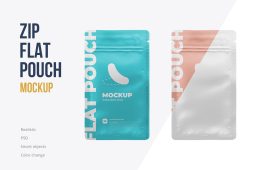
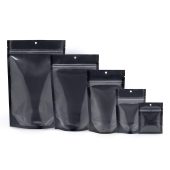
The size of a pouch affects how much product it can hold and how easily people can store it. A pouch that is too large may waste material and take up extra shelf space. One that is too small may not close properly or may damage the product. Businesses should measure their products before choosing a pouch size. They should also consider the space needed for sealing and any product label. Custom Printed Mylar Bags come in different sizes, so brands can match the package to the amount they sell. Flat pouches may suit light products, while stand-up styles can help products stay upright on shelves. A sample order can help businesses check the fit and make changes before buying in bulk.
Waste Reduction
Reducing packaging waste starts with choosing the right amount and material for each product. Businesses can avoid unnecessary layers and oversized pouches by checking their actual needs. They can also explain proper disposal to customers through clear package instructions. A pouch does not become eco-friendly simply because it uses paper or carries a green label. Its full impact depends on the materials, how it is made, how far it travels, and what happens after use. Some pouches need special recycling or composting conditions. Customers may not have access to those services in every area. Businesses should check reliable information from the supplier and local waste services. Honest claims help customers understand the package and make better choices.
Conclusion
Custom Eco Friendly Pouches give businesses a practical way to review their packaging needs and reduce avoidable waste. The best choice depends on the product, material, size, and level of protection required. Businesses should also think about printing, storage, and disposal before placing an order. A simple design can keep product details clear while helping customers recognize a brand. It is also important to check environmental claims instead of relying on labels alone. By testing samples and comparing materials, businesses can make choices that suit their daily work. Good packaging should protect the product, serve customers well, and use resources with care.
voters
Report Story 
Related Stories



Recent Stories